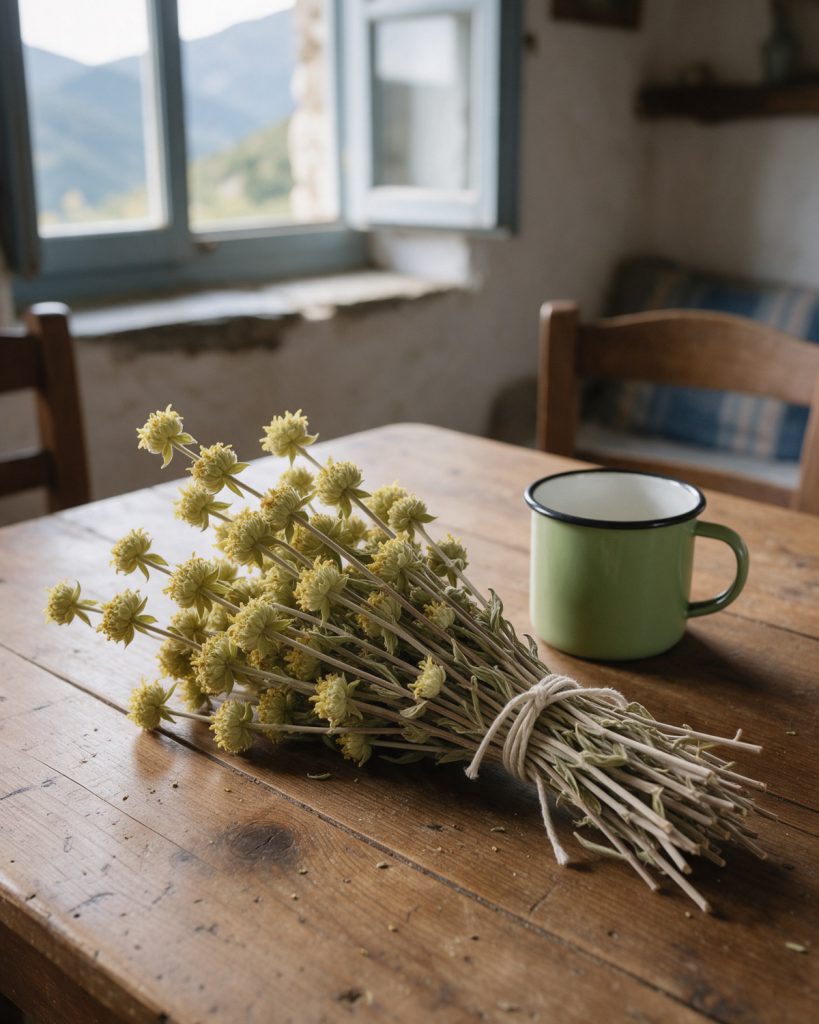
Oregano was the most adulterated product in the largest EU check of herbs and spices so far. Nearly half the samples were suspect, and the commonest filler was olive leaf. PINAX does not sell oregano at launch. This note explains why, and how to buy it well elsewhere.
The numbers
The European Commission published the results of its coordinated control plan on herbs and spices in November 2021. National authorities in 21 Member States, Switzerland and Norway took 1,885 samples of cumin, curcuma, oregano, paprika and chilli, pepper and saffron, and the Joint Research Centre ran close to 10,000 analyses on them. For oregano:
- 142 of 295 samples, 48%, were suspicious of adulteration. Across all six products the rate was 17%.
- 80 samples contained olive DNA. In every one of them the finding was backed by oleuropein, a compound specific to the olive tree.
- 11 samples contained marjoram (Origanum majorana), which the ISO standard for dried oregano says should not be present. Three contained myrtle, and one a starch-based filler.
- 47 samples held unusually high amounts of thyme, peppermint or sage DNA. These plants are close relatives of oregano, so low traces are expected. High levels were treated as suspicious.
- Separately, 45 oregano samples carried copper compounds above the maximum residue limit set by Regulation (EC) No 396/2005. That is a pesticide residue issue, not fraud, but it is worth knowing.
Most samples were taken from importers, wholesalers, processors and packers. The report notes that samples taken at the point of entry and from online sellers had high suspicion rates, but there were too few of them for a statistically meaningful comparison.
Why olive leaves
Olive leaves are abundant and cheap wherever olives are grown, which includes most places oregano is grown. Dried and crumbled, they are greyish green like dried oregano. Mixed in, they add weight and bulk to a product sold by the gram, so they dilute rather than replace. Earlier fraud cases recorded by the Commission also involved sumac and myrtle.
A screening check you can do
This is a visual habit, not a laboratory method. It works only on whole or coarsely rubbed leaves, and it cannot catch small proportions of filler or anything in a fine powder. The EU findings rest on DNA and chemical markers, which is the only reliable way to put a number on adulteration.
- Buy whole. Dried bunches on the stem, or at least whole leaves, let you see what you are buying. Ground oregano hides everything.
- Tip a spoonful onto white paper. Oregano leaves are small, oval and soft, often with flower heads in Greek bunches. Olive leaf fragments are longer and narrower, stiff and leathery, and olive leaves are pale and silvery on the underside. Pieces that snap like thin card rather than crumble deserve suspicion.
- Rub a pinch between your palms. Good oregano releases a sharp, warm smell at once. A faint smell on a fresh pack suggests dilution, age or both. Smell is subjective, so use it only alongside the look of the leaves.
- Read the label. A country of origin, a harvest year and a named packer or cooperative are signs that someone is willing to be checked.
Greek oregano, properly named
The oregano most associated with Greece is Origanum vulgare subsp. hirtum. It grows wild on dry, stony hillsides across the country. Greek oregano has no EU geographical indication, so no register can prove that a pack came from Greece. Its origin rests entirely on the seller. Wild plants of some related species are protected in Greece: dittany of Crete (Origanum dictamnus), for example, is protected in the wild by Presidential Decree 67/1981 and the Bern Convention, and the plant sold commercially is farmed.
Why we do not sell it yet
Our rule is that every product carries a record we can prove: region, method, a register link where one exists, and a named maker once signed. For oregano there is no register to link, and a crumbled herb cannot be traced by looking at it. We would sell it only as whole dried bunches from a named Greek cooperative, with a DNA or marker test on each batch published in the record. Until then, it stays off the shelf.
The same thinking shaped our one herb, cultivated organic mountain tea (Sideritis). It is sold as whole stems so you can see the plant, from cultivated stock only, because Sideritis scardica is listed as Near Threatened by the IUCN. The record states that it has no geographical indication.
Sources
- European Commission, JRC126785: Results of an EU wide coordinated control plan to establish the prevalence of fraudulent practices in the marketing of herbs and spices (PDF, 2021)
- European Commission Joint Research Centre: Results of the largest investigation into the authenticity of culinary herbs and spices (25 November 2021)
- Detection of adulterated oregano samples using untargeted headspace gas chromatography ion mobility spectrometry (2024)
- Embaros: dittany of Crete, cultivation and protection of the wild plant
- Wikipedia: Sideritis scardica (IUCN status)
- European Medicines Agency: assessment report on Sideritis species (PDF)